

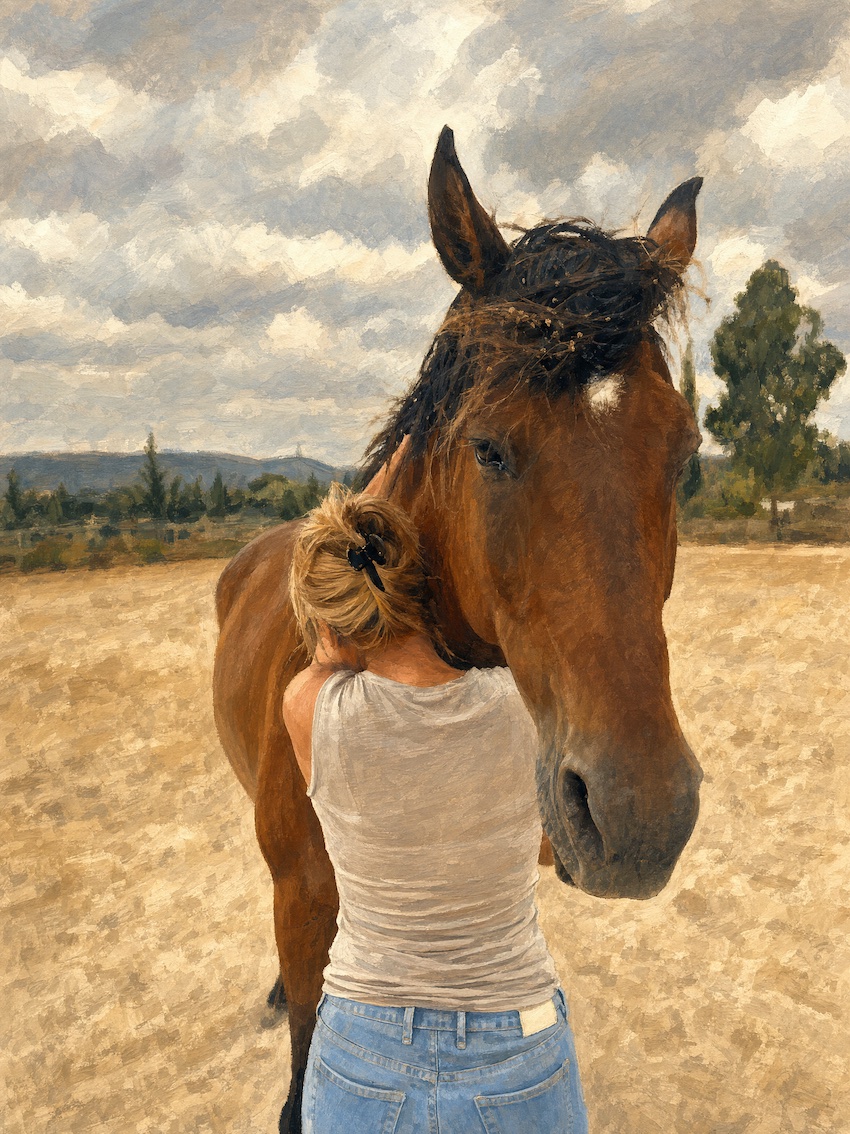



Body Armour
The ways we hold ourselves.
You notice your jaw tightening before you say something difficult. Your shoulders rise as you prepare for a conversation. You realise you have been holding your breath.
These moments invite a question: what happens in the body when we try to contain what we feel?
Wilhelm Reich, and the armour of character.
The physician and psychoanalyst Wilhelm Reich developed the concepts of “character armour” and “muscular armour” to describe habitual forms of psychological and bodily protection.
Character armour referred to established ways of responding and relating. Muscular armour was his term for patterns of bodily tension that he understood as taking part in holding back feeling and expression. In Reich’s view, the two were connected aspects of how a person protects themselves. His work helped shape body-oriented psychotherapy.
Armour is a historical therapeutic concept and a metaphor for exploration. It is not an anatomical structure or a diagnosis, and it is not an established neuroscientific explanation.
No fixed dictionary.
Through the lens of armouring, we might become curious about how a response helps someone manage an experience. What becomes easier to contain? What becomes harder to express?
Smiling while describing something painful.
Becoming very still during a disagreement.
Finding it difficult to ask for support.
A tight jaw does not automatically mean anger. A posture cannot tell us someone’s history. Physical tension has many possible causes, and its meaning cannot be read from appearance alone. Understanding begins with the person’s experience.
“The way I am.”
Protection can become so familiar that we scarcely notice it. The question is whether there is room to respond differently when the situation allows it.
- Can I remain steady and still ask for help?
- Can I disagree and remain in contact?
- Can I notice what I feel before deciding what to do with it?
The possibility we explore is greater choice.
Curiosity, and your pace.
We may notice a change in breathing, a gesture, a silence, or something that happens between us. We bring attention to it together, without deciding in advance what it means.
Conversation, movement, creative work or an encounter with a horse may offer a way to explore further. Sometimes an experience needs time. Sometimes the most useful step is recognising a limit and giving it a voice.
You do not have to produce a release, uncover a memory, or feel something on demand. Your ability to pause, decline and choose is part of the work.
Where are you holding?
Notice the support beneath you: the chair, the floor, or the ground. Let your breathing remain natural. Is there a place where you notice effort or holding? You do not need to change it.
If you like, choose the place you notice most.
- When do I notice this?
- What else is happening in that moment?
- What would feel supportive now?
There may be an answer, or simply a sensation. You may notice very little. All of these are valid places to begin.
If turning attention inward feels uncomfortable, look around the room and return to something ordinary outside yourself.
Where in your life does holding yourself together help you, and where would you welcome a little more room?An open question